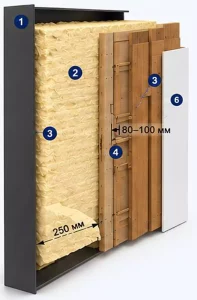
 Steel hull structure

Closed-cell sprayed polyurethane insulation
 Additional insulation of frames and stiffeners
 Supporting structure
 Marine-grade plywood / alternative lining system
 Seamless protective coating


BreezeMarine provides complete engineering and restoration of thermal insulation systems for refrigerated cargo holds, freezer rooms and temperature-controlled spaces on board vessels.
We do not offer a single standard insulation arrangement. Each system is engineered individually according to the vessel, required cargo temperature, operating climate, existing steel structure and the Owner’s requirements — with insulation thickness, internal lining, protective coating and treatment of structural members adapted to the required thermal performance, durability and project budget.
Before starting the work, our engineers develop a complete thermal insulation concept based on the actual vessel configuration and required operating conditions.
Reducing heat ingress into refrigerated spaces directly reduces the refrigeration load. Depending on the actual refrigeration plant capacity and operating conditions, improved insulation can also reduce the number of compressors required to operate simultaneously.
Insulation thickness is not fixed and is selected according to the required operating conditions, with additional insulation of frames, stiffeners and other structural members where required.
For demanding refrigerated cargo applications, sprayed closed-cell polyurethane creates a continuous insulation envelope around complex steel structures and significantly reduces the number of joints and potential thermal bridges.
Steel hull structure
Closed-cell sprayed polyurethane insulation
Additional insulation of frames and stiffeners
Supporting structure
Marine-grade plywood / alternative lining system
Seamless protective coating
Result: significantly increased thermal resistance and reduced heat transmission through the refrigerated space envelope.
Actual performance depends on the final construction, materials, thermal bridges and operating conditions.
Marine-certified insulation materials are selected according to the vessel’s Class requirements and project specification. For example, PUREX NG 0440 NS is a two-component rigid polyurethane foam designed for sprayed thermal insulation using specialized high-pressure equipment.
Removal / assessment of existing insulation
Steel surface preparation
Application of closed-cell PU insulation
Insulation of frames and structural members
Supporting structure installation
Marine-grade internal lining
Seamless protective coating
Insulated doors and critical interface solutions
Quality inspection and documentation
Refrigeration system performance verification
A major advantage of BreezeMarine is combined expertise in thermal insulation and marine refrigeration. We evaluate the cargo hold insulation together with the refrigeration plant — compressors, evaporators, condensers, piping and control systems — designing the insulation not only as a structural refurbishment, but as part of the vessel’s complete refrigeration performance.
Get in touch with one of our engineers